


Introduction
At Azura Consultancy we’re constantly refining the balance between uptime, sustainability, and data centre energy efficiency. A deceptively simple—but crucial—design choice can tip that balance: where you position the heat pump that upgrades waste heat for reuse.
Why does this matter? Because its location—inside or outside your declared facility boundary—directly changes how two ISO 30134 metrics are calculated:
- PUE (Power Usage Effectiveness), the headline indicator of data center power overheads, and
- ERF (Energy Reuse Factor), the yard‑stick for turning waste heat into value.
For an even broader view of environmental performance strategies, see our article on data‑centre best practice in Data Center Sustainability.
This article distils the essentials so you can pick the boundary definition that best serves your operational and reporting goals. For the full strategic context—including business drivers and technology options — see our lead article “Data Center Heat Reuse.”
"The choice of boundary definition is more than a technical decision—it’s a reflection of strategic priorities"
Azura Consultancy
ISO 30134: Why PUE and ERF Rise or Fall on Pump Placement
| Metric | What it Tells You | Sensitivity to Heat‑Pump Location |
|---|---|---|
| PUE | How efficiently total facility energy reaches IT loads—key to trimming overall data center power consumption | Excludes pump energy when the pump is outside the boundary; includes it when inside |
| ERF | How much of incoming energy is reused beyond the facility—vital for Scope 1–3 reporting | Pump energy counts as reused only when the heat crosses the boundary |
Accounting for Heat Pumps: Inside vs Outside the Boundary
The ISO 30134-6 standard introduces flexibility in defining the data centre boundary. This flexibility becomes crucial when integrating heat pumps, which are often used to upgrade waste heat for reuse. Whether the heat pump is placed inside or outside the boundary significantly impacts the reported values of PUE and ERF.
Heat Pump Outside the Boundary
- The energy consumed by the heat pump is excluded from the PUE calculation, which focuses solely on the core operations of the data centre.
- Energy reused (e.g., recovered heat) is measured at the boundary and contributes to the ERF
- This approach emphasizes operational efficiency and isolates IT energy use from heat reuse infrastructure.
Metrics:
PUE = Total Energy (excluding heat pump) / IT Energy
ERF = Energy Reused / Total Energy (excluding heat pump)
To understand how this fits into wider data centre efficiency and sustainability programs, review our sustainability roadmap.
Heat Pump Inside the Boundary
- The heat pump’s energy consumption becomes part of the total facility energy in the PUE calculation, potentially increasing the PUE value.
- Energy reused is measured beyond the data centre boundary, offering a holistic view of the system’s energy performance, including the contributions of the heat pump.
- Both pump input and upgraded heat appear in energy‑balance reporting, giving a 360‑degree view of carbon savings.
- Useful when investors or regulators prioritise heat‑reuse disclosure over razor‑thin PUE scores.
When engaging auditors, remember that clear documentation streamlines technical due diligence and avoids re‑work.
Metrics:
PUE = Total Energy (including heat pump) / IT Energy
ERF = Energy Reused (including heat pump) / Total Energy (including heat pump)
Which Boundary Fits Your Strategy?
| Primary Goal | Recommended Boundary | Benefit |
|---|---|---|
| Lowest headline PUE; clear IT‑load focus | Pump outside | Highlights delivery efficiency of data center power to servers |
| Maximum sustainability narrative; ERF leadership | Pump inside | Showcases comprehensive heat‑reuse impact and de-carbonisation |
PRO TIP: Whatever you choose, document it. Transparent boundaries prevent “apples‑to‑oranges” comparisons in sustainability reports.
What Does This Mean for Data Centres?
The choice of boundary definition is more than a technical decision—it’s a reflection of strategic priorities:
- For Operational Efficiency: Excluding the heat pump from the boundary keeps the PUE focused on core data centre operations, highlighting IT power efficiency.
- For Sustainability Reporting: Including the heat pump within the boundary showcases the entire system’s contribution to energy reuse, emphasizing the role of heat recovery systems in decarbonization efforts.
To maximize transparency and comparability, it is crucial to clearly define the boundary used when reporting PUE and ERF values.
Beyond Pumps: Adding Thermal Energy Storage
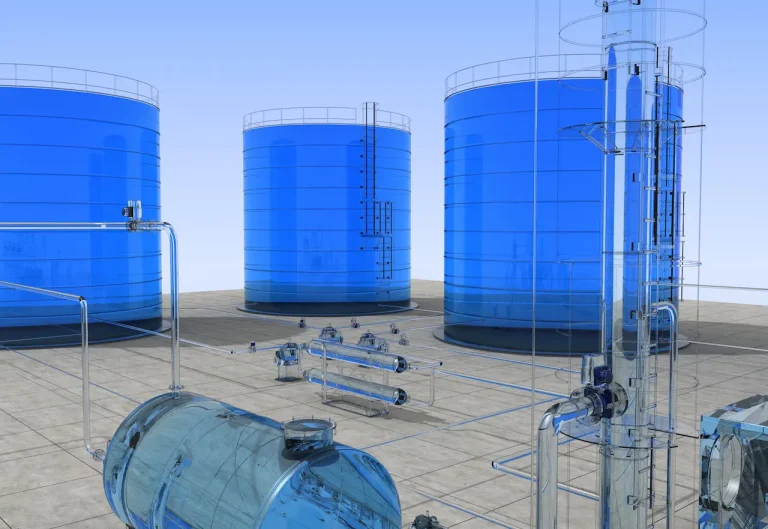
Pairing heat pumps with thermal energy storage tanks (TES) lets you bank surplus heat and dispatch it when the district network needs it—flattening peaks in data centre energy consumption and boosting ERF.
Our separate article on TES design explains how stratified tanks can shave both carbon and utility bills and our detailed design services relevant to district energy solutions network‑level integration.
Empower Your Data Centre with Sustainable Heat Reuse!
Ready to transform your facility into a model of energy innovation?
Contact Azura Consultancy today and discover how we can help you turn waste heat into a powerful asset—strengthening your data center’s efficiency, profitability, and environmental impact.
Azura Consultancy's Perspective
At Azura Consultancy, we help our clients navigate the complexities of energy and sustainability metrics. With our expertise in district energy systems, data centres, and heat recovery, we believe the future of data centre sustainability lies in leveraging technologies like heat pumps to transform waste energy into valuable resources for external use.
Our recommendations for data centre operators:
- Align your metrics with your goals: If your primary focus is operational efficiency, prioritize PUE. For sustainability and heat reuse, focus on ERF.
- Be transparent: Clearly communicate your boundary definition and calculation methods to stakeholders.
- Leverage expert insights: Work with experienced consultants to design data centre energy systems that optimize performance while meeting reporting standards.
Driving a Sustainable Future Together
At Azura Consultancy, we’re committed to helping our clients lead the charge in sustainable data centre innovation.
Next Steps
- Reference our article: Data Center Heat Reuse for technology stack and ROI modelling.
- Engage our experts: Our data center consultants will simulate both boundary scenarios—including TES—to optimise PUE, ERF, and total data center power consumption.
- Future‑proof reporting: Align ISO 30134 calculations with emerging CSRD and SEC climate‑disclosure rules, leveraging our insights in renewable energy integration.
To learn more about how we can support your energy efficiency journey, visit www.azuraconsultancy.com or contact us directly. Let’s build smarter, more sustainable energy systems together.