

+31 (0) 20-3085452 info@azuraconsultancy.com
Parnassusweg 819
Amsterdam, Netherlands
Mon-Fri
08:00 – 17:00

Understanding Renewable Energy: A Path to a Sustainable Future

What is Renewable Energy?

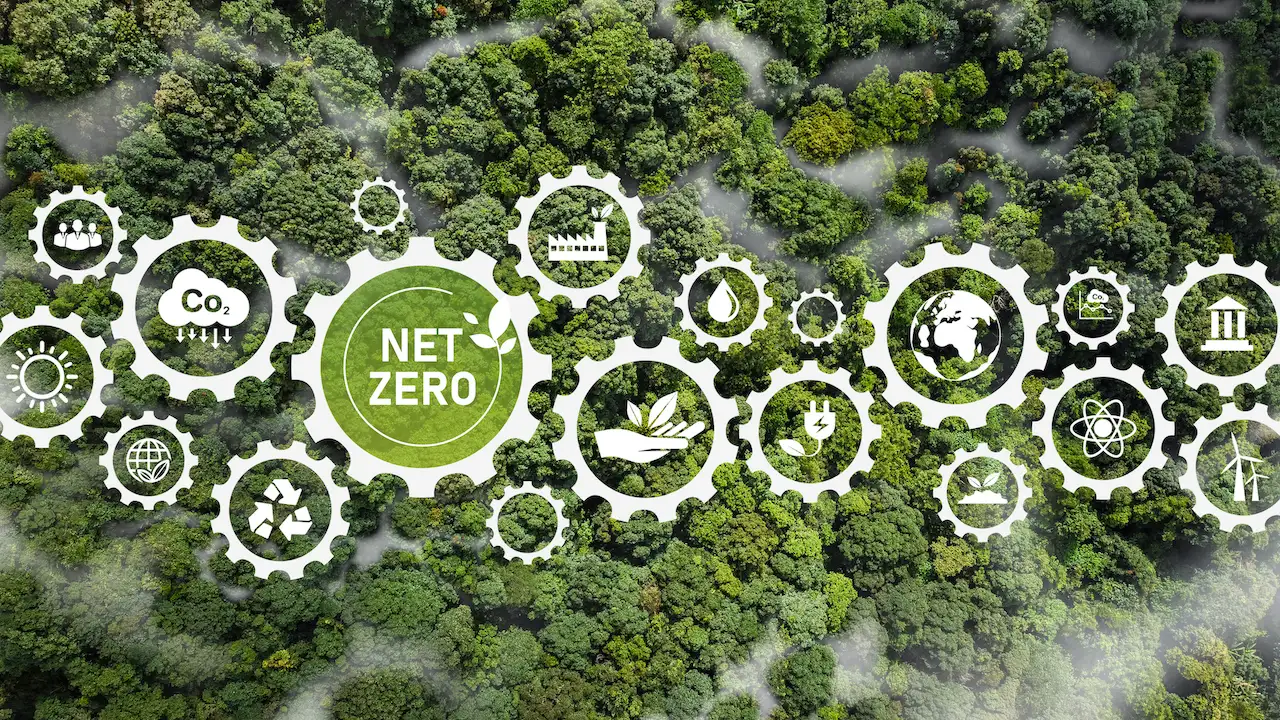
Renewable energy refers to energy generated from natural sources that are continually replenished. These sources are considered carbon-neutral, meaning they do not produce net carbon emissions, making them an essential component in the fight against climate change. 

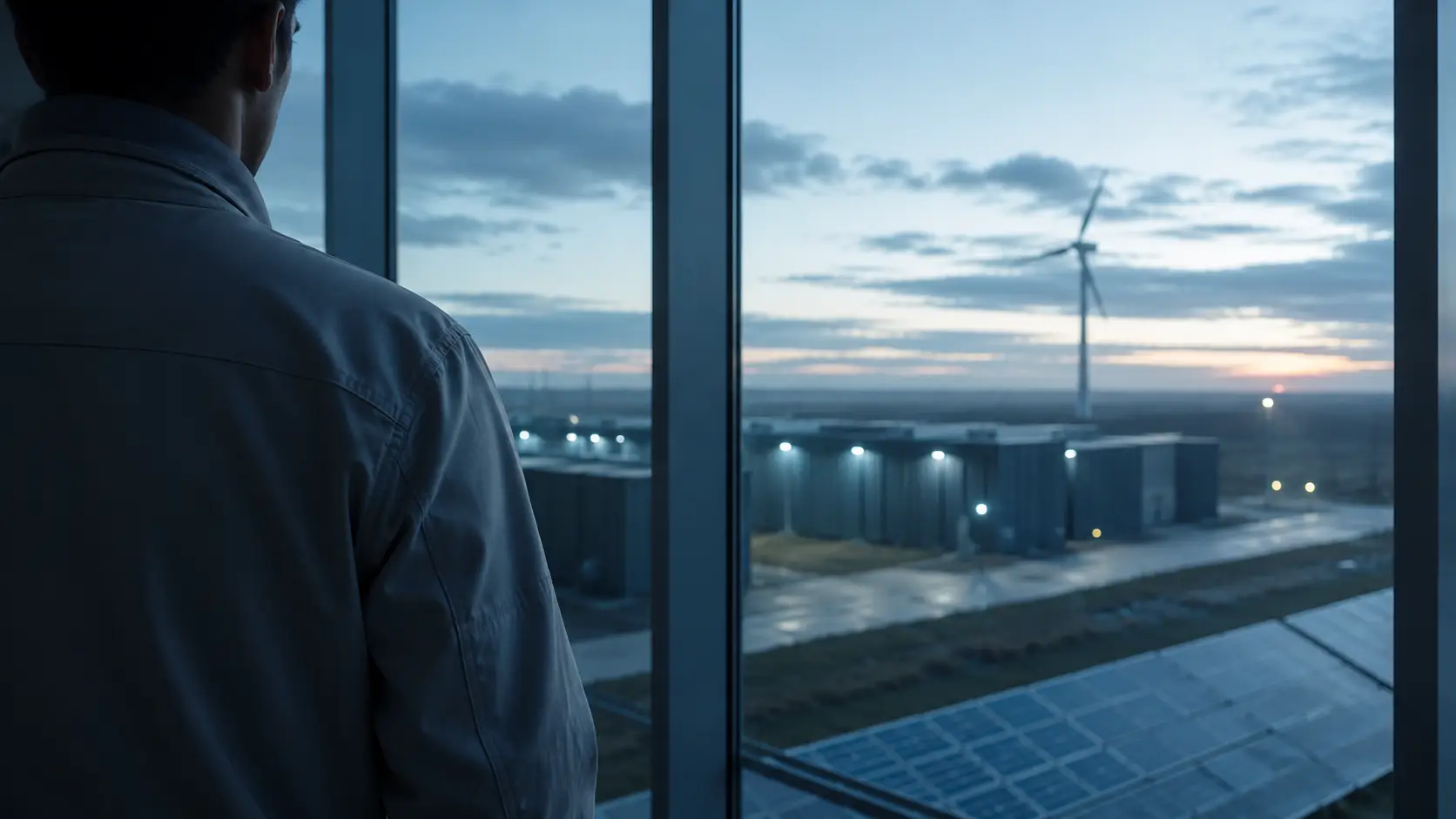
The primary renewable energy sources include solar energy, wind energy, hydropower, tidal power, and geothermal energy. Each of these resources offers a sustainable and clean alternative to traditional fossil fuels, which have been the predominant energy source for centuries.

The Importance of Renewable Energy

One of the most significant advantages of renewable energy is its potential to significantly reduce carbon dioxide (CO₂) emissions. Transitioning to renewable energy could potentially cut emissions by up to 90%, playing a crucial role in mitigating the effects of climate change. Moreover, renewable energy technologies help reduce our dependency on fossil fuels, which are not only finite but also contribute to environmental pollution and global warming.
However, the transformation of energy consumption toward renewable sources requires substantial sustainable investment upfront. This shift is necessary to build the infrastructure and technologies that will enable the integration of renewable energy into our existing energy systems.

Challenges to Increased Use of Renewable Energy

Despite its numerous benefits, there are challenges to the widespread adoption of renewable energy. One of the most significant hurdles is the inconsistency of natural resources. For instance, solar power generation depends on sunlight, which varies by location and weather conditions, while wind power is contingent on wind availability. This variability can lead to mismatches between energy supply and demand.
To overcome these challenges, innovative strategies are necessary. The integration of renewable energy into our existing energy systems requires advancements in energy storage and smart grid technologies to ensure a reliable and steady supply of power.

Smart Cities and the Role of District Energy Systems

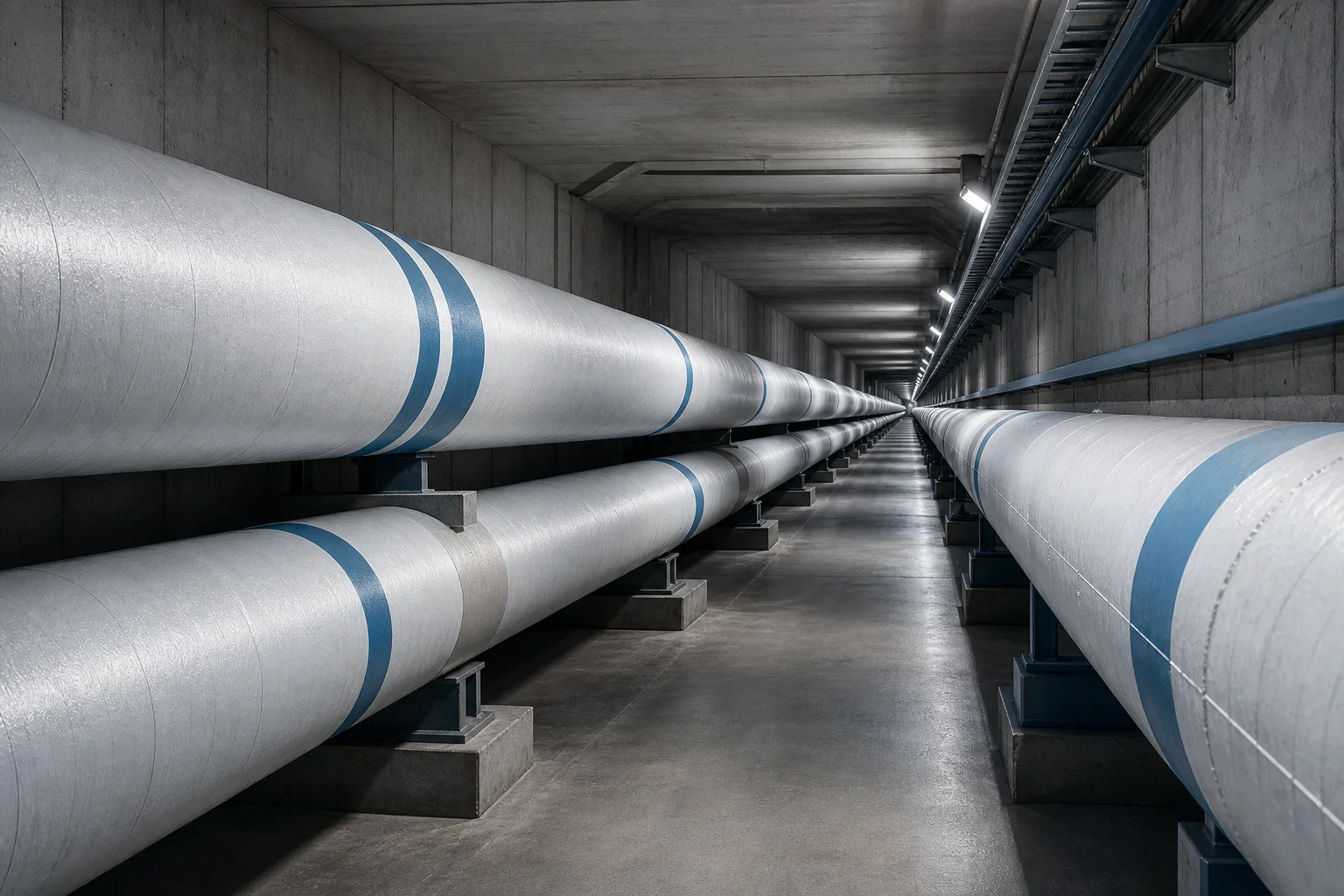
As urban populations continue to grow, the concept of Smart Cities has emerged as a visionary approach to sustainable urban living. A Smart City leverages advanced technologies to optimize resource use, improve quality of life, and reduce environmental impact. Central to this concept are District Energy systems, which provide efficient, centralized heating, cooling, and power to multiple buildings through a network of pipes.
District Heating and District Cooling systems are pivotal in the development of energy-efficient smart cities. District Heating involves the distribution of heat generated in a centralized location, such as a combined heat and power plant, to residential and commercial buildings for space heating and hot water. Similarly, District Cooling provides chilled water from a central source to cool buildings, reducing the need for individual air conditioning units. These systems not only improve energy efficiency but also reduce greenhouse gas emissions and urban heat islands.

Engineering Design and Thermal Energy Storage

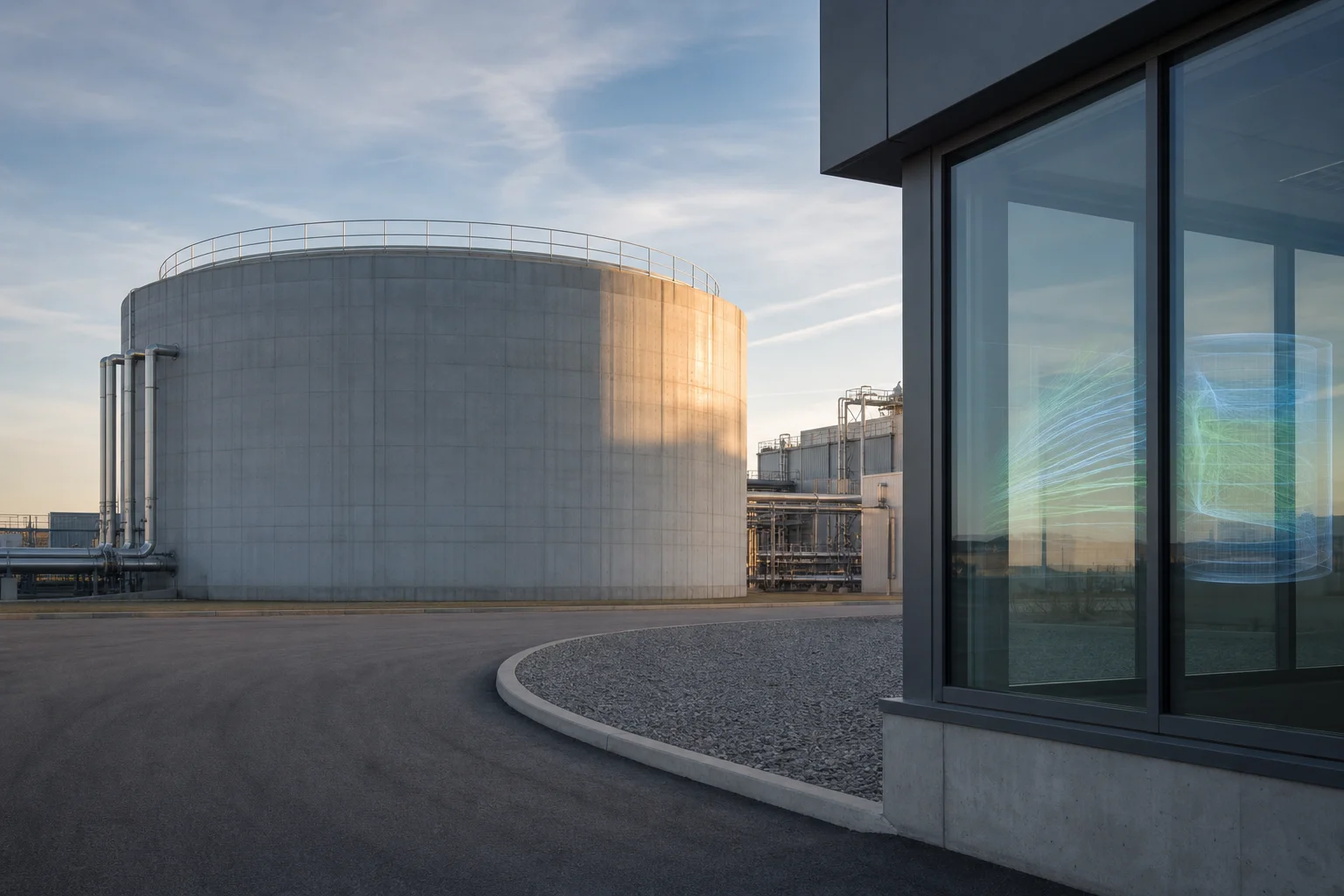
Effective implementation of District Energy systems requires meticulous engineering design that takes into account the unique energy needs and geographical characteristics of each city. Additionally, integrating Thermal Energy Storage solutions is crucial to balancing supply and demand. Thermal Energy Storage allows excess heat or cold to be stored for later use, enhancing the flexibility and resilience of the energy system.
This is where expertise in engineering design plays a vital role. Properly designed systems can optimize energy flows, reduce losses, and ensure reliable service, even during peak demand periods. Engineering design also encompasses the integration of renewable energy sources, smart grid technologies, and energy-efficient practices to create a cohesive and sustainable energy ecosystem.

The Future of Renewable Energy and Smart Cities

As the world moves toward a more sustainable future, the integration of renewable energy with smart city concepts will become increasingly important. Innovations in energy storage, smart grid technology, and district energy systems will enable cities to meet their energy needs more sustainably and efficiently.
With expertise in renewable energy and smart city technologies, Azura Consultancy is well-positioned to lead this transformation, helping cities around the world achieve their sustainability goals and build a cleaner, greener future. By providing comprehensive consultancy services and innovative solutions, Azura Consultancy is empowering communities to embrace renewable energy and create resilient, energy-efficient urban environments.
In conclusion, renewable energy offers a viable path toward a sustainable future, providing clean, carbon-neutral methods of power generation. By addressing the challenges and leveraging innovative solutions such as smart cities, district energy systems, and thermal energy storage, we can reduce our reliance on fossil fuels and move closer to a world powered entirely by green energy.

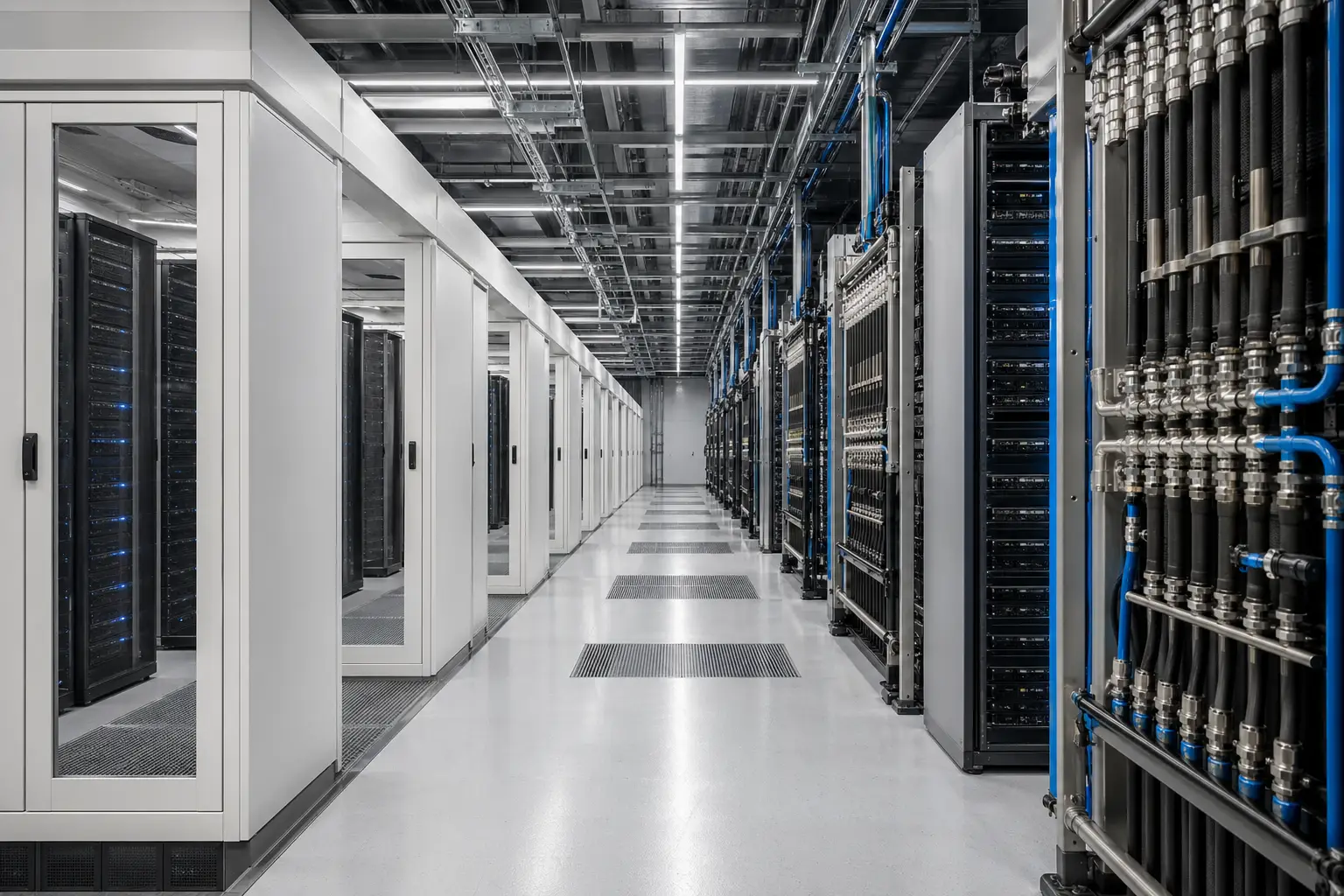
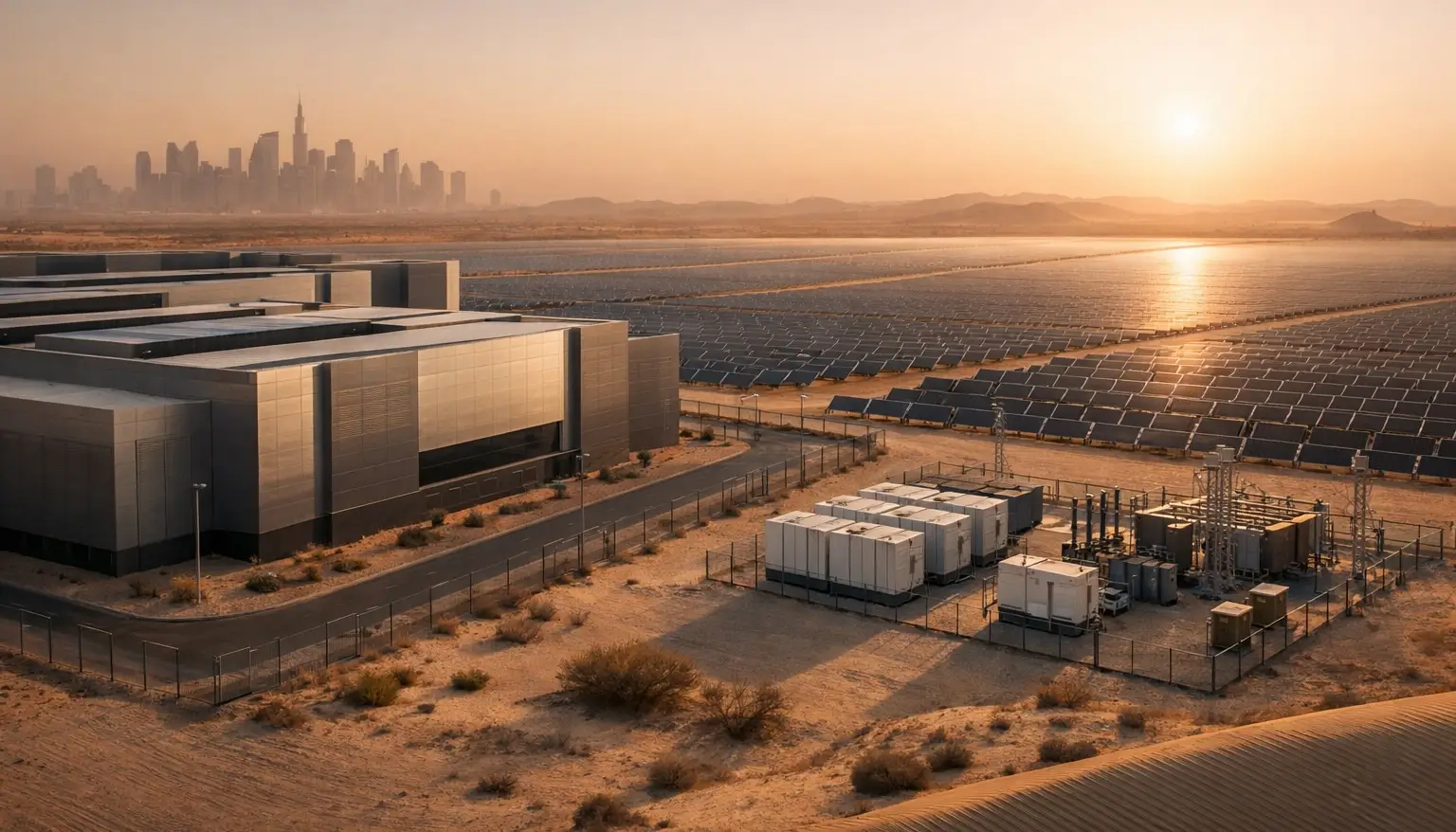
The integration of renewable energy sources is becoming increasingly vital with expertise in data center consulting being a critical part that will ensure sustainable energy practices at the core of any city project.

Take the Next Step Toward a Sustainable Future

Contact us today to start building a cleaner, greener future for your community and beyond. Let’s lead the change together!

Expertise and Consultancy Services of Azura Consultancy

Azura Consultancy is a leading provider of specialized engineering and consultancy services that help guide renewable energy projects from conception to completion. With extensive experience in renewable energy solutions, district energy systems, and thermal energy storage, Azura Consultancy offers a comprehensive suite of services to support the development of sustainable energy projects.

Azura Consultancy Services Include:
  1. Feasibility Studies and Energy Audits:
    • Assessing the potential for renewable energy integration, including solar, wind, and geothermal options.
    • Conducting energy audits to identify opportunities for energy efficiency improvements and carbon reduction.
  2. Engineering Design and System Integration:
    • Developing tailored engineering designs for District Heating and District Cooling systems.
    • Integrating thermal energy storage solutions to optimize energy management and enhance system resilience.
    • Designing smart energy systems that incorporate renewable energy sources and storage technologies.
  3. Project Management and Implementation:
    • Providing end-to-end project management services, from initial planning and design to construction and commissioning.
    • Ensuring projects are completed on time, within budget, and in compliance with industry standards and regulations.
  4. Sustainability and Smart City Consulting:
    • Advising on the implementation of smart city technologies, such as IoT-enabled energy management systems.
    • Supporting the development of policies and strategies to promote sustainable urban development and energy efficiency.
  5. Energy Storage and Sector Integration Solutions:
    • Designing and implementing energy storage systems that support grid stability and enhance the integration of renewable energy.
    • Developing sector integration strategies to connect electricity, heating, cooling, and transportation systems for maximum efficiency and sustainability.
Scroll to Top